インシデントのステータス
Risk Subdomain
4.3. Fraud, scams, and targeted manipulation
Risk Domain
- Malicious Actors & Misuse
Entity
Human
Timing
Post-deployment
Intent
Intentional
インシデントレポート
レポートタイムライン


Microsoft は、プラットフォームと顧客を詐欺や不正使用から保護するための継続的な取り組みを維持しています。Microsoft Azure でのなりすましのブロック、Microsoft Edge への詐欺対策機能の追加、Windows クイック アシストの新機能によるテクニカル サポート詐欺の撲滅など、この Cyber Signals では、顧客を保護するために進行中の取り組みと達成された重要なマイルストーンを紹介します。私たちは皆、防御者です。  2024 年 4 月…
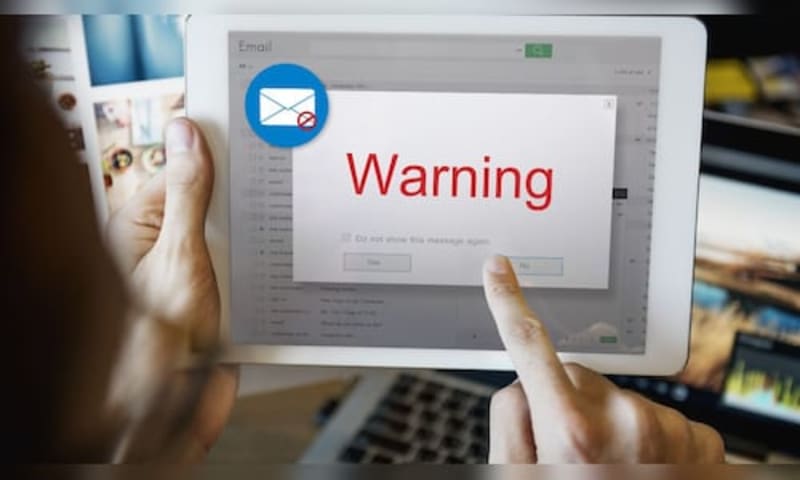
サイバー犯罪者がAIを活用したツールを巧妙な詐欺の実行にますます利用するようになる中、マイクロソフトは過去1年間で40億ドル以上の詐欺行為を阻止したと発表しました。
テクニカルサポートスタッフのなりすましから、説得力のある偽のeコマースウェブサイトの作成まで、詐欺師はAIを活用して攻撃をより迅速かつ低コストで、検知を困難にしています。マイクロソフトの最新のサイバーシグナルレポートでは、機械学習とAIを活用したツールを活用し、こうした犯罪者よりも一歩先を行く方法について説明して…
詐欺師たちはAIを最新の武器として活用し、偽の写真、音声クローン、フィッシングメール、偽ウェブサイトを「ますます急速に」生成しています。
マイクロソフトの最新のサイバーシグナルズレポートによると、AIの活用により、詐欺師は攻撃に使える信憑性のあるコンテンツを「より容易に、より安価に」作成できるようになっています。
レポートによると、マイクロソフトは2024年4月からの12か月間で、約62億8000万ドル相当の詐欺行為を阻止しました。
また、同期間において、毎時約160万件のア…
Microsoft の最新の Cyber Signals レポート では、サイバー犯罪者が AI を活用して詐欺をより信憑性のあるものにし、見破りにくくしている様子が示されています。Microsoft によると、2024 年 4 月から 2025 年 4 月の間に、40 億ドル相当の詐欺行為を阻止し、毎時約 160 万件の偽ボット登録をブロックし、49,000 件の偽のパートナーシップ申請を拒否しました。これは、特に詐欺師が AI を使って人々をより簡単に騙せるようになったこ…
バリアント
よく似たインシデント
Did our AI mess up? Flag the unrelated incidents


よく似たインシデント
Did our AI mess up? Flag the unrelated incidents